Discipline, community and a framework for progress. Five articles exploring the standards James brings to tennis and technology.
TENNIS & CHARACTER
Discipline before display
The standard you bring to practice shapes the player you become.
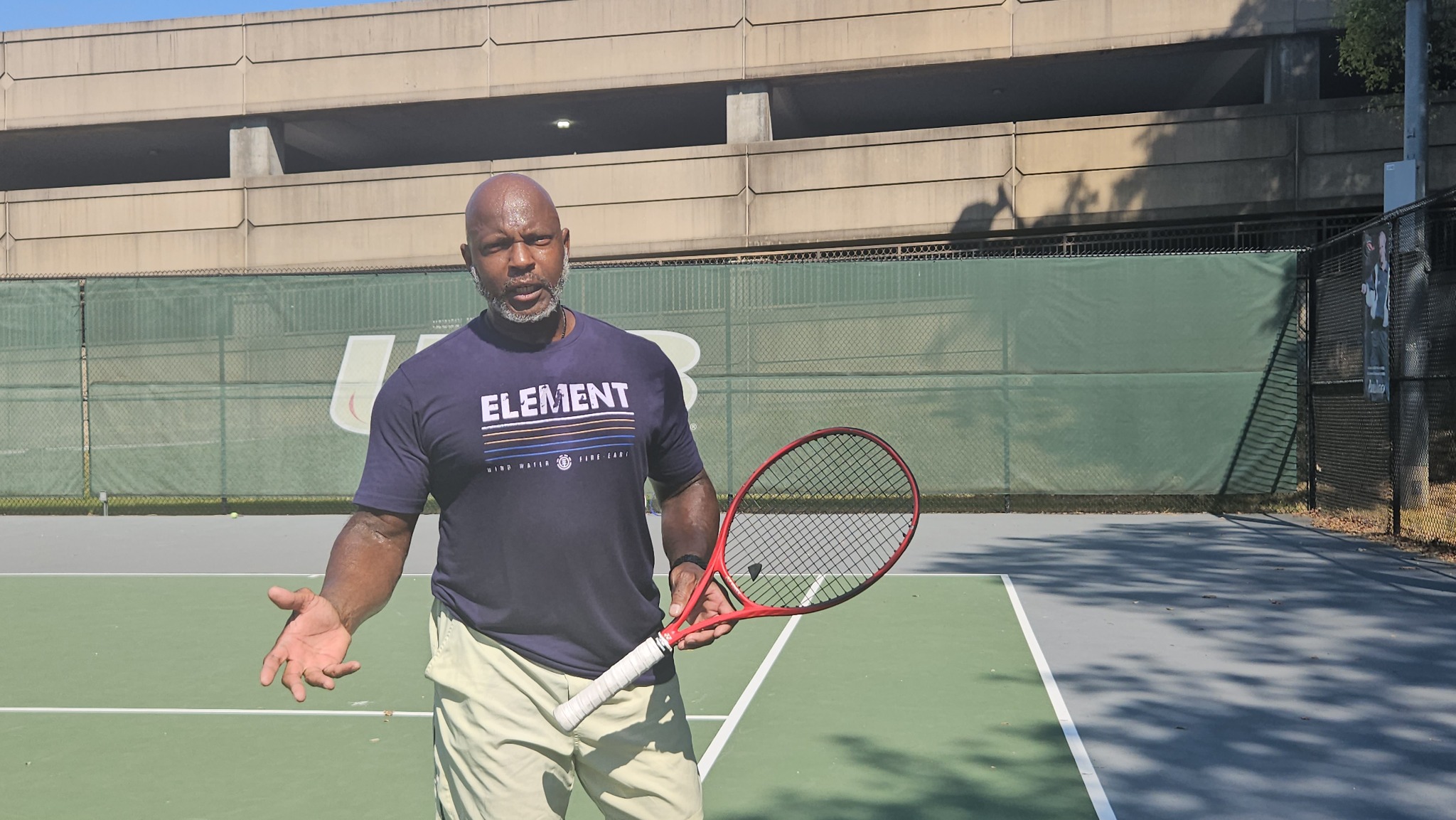
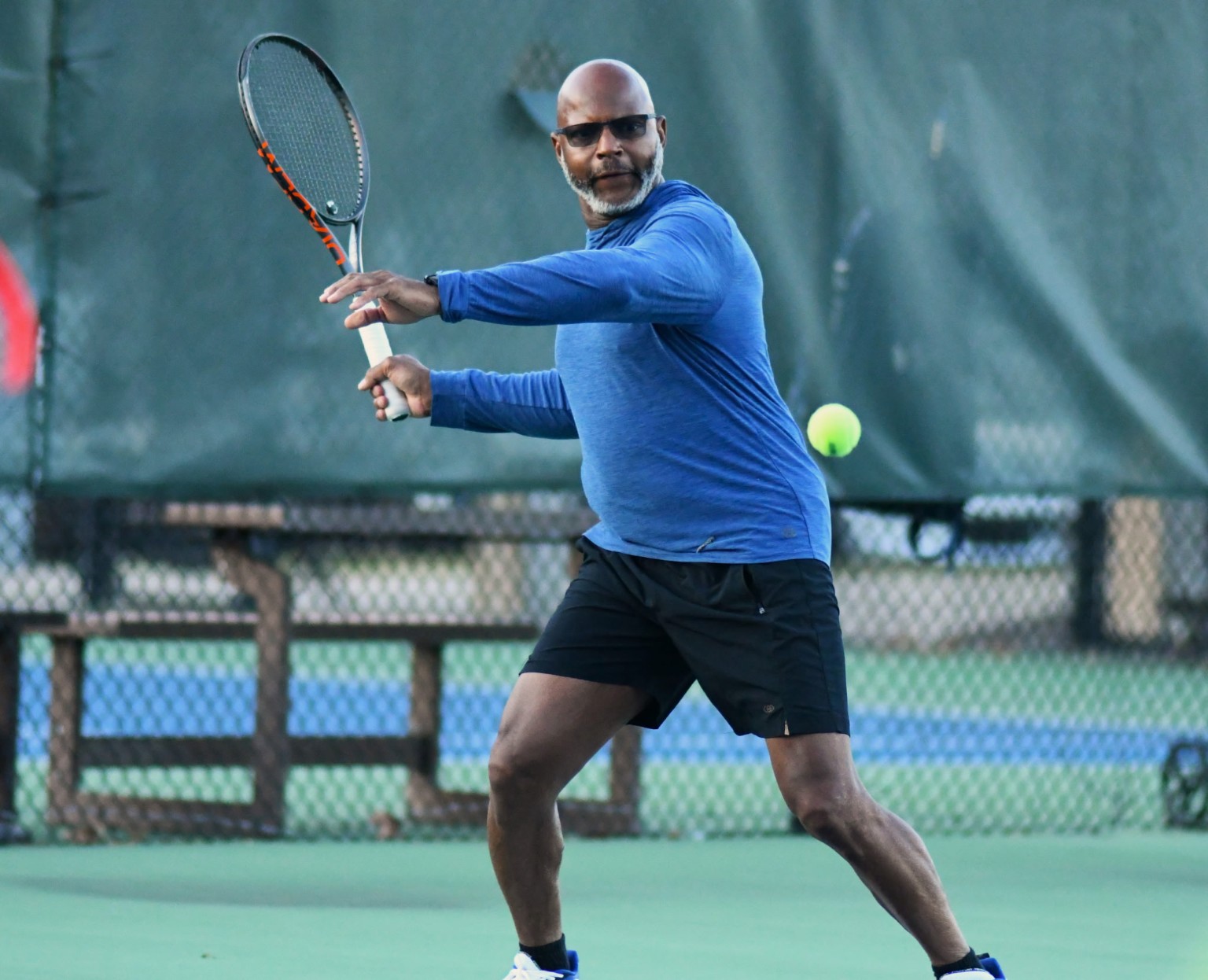
Coach Bell on court: teaching with purpose and setting a standard for practice.
The point is the work
A good shot deserves confidence. It does not require a performance for the crowd. Coach Bell’s approach puts preparation, sound technique and respect ahead of showboating. The question is whether you can repeat the work, respond to pressure and keep your conduct steady when a point goes against you.
Discipline starts before the first ball
Arrive ready to practice. Bring your equipment, listen to the objective and give each drill your attention. Purposeful repetition develops a different habit from simply hitting until the hour is over. Know what you are practicing and why it matters.
Composure is part of performance
An opponent’s mistake is not an invitation to embarrass them. A missed shot is not a reason to blame someone else. Compete with intensity, acknowledge good play and reset for the next point. Respecting the game and wanting to win belong together.
A standard for every session
Choose one technical goal, one practice habit and one conduct standard. Review all three when you finish. Progress includes the quality of your decisions and your response to adversity, alongside the score.
Court habits can become tools for school, work and everyday responsibility.
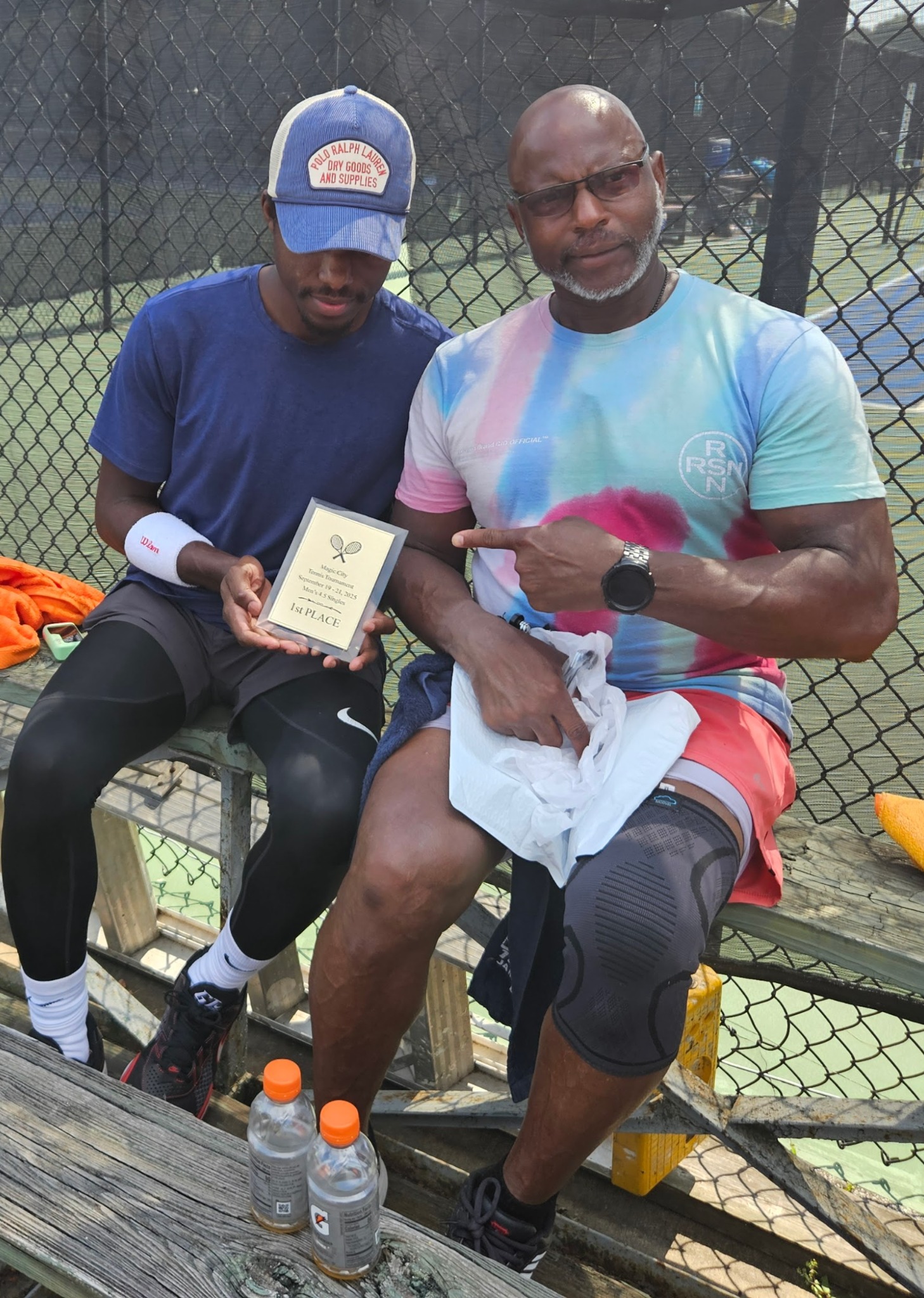
A father-and-son connection: Coach Bell brought his son up in tennis.
Teach more than a swing
When children learn tennis, they also have opportunities to practice listening, patience and responsibility. Coach Bell wants young players to understand the game and the way they treat people within it. That means clear expectations, consistent instruction and respect for each child’s stage of development.
Carry the habits into school
Following a drill has something in common with following classroom instructions: listen, understand the task, make an effort and ask for help when needed. Learning a stroke over time can provide a useful example of why a difficult assignment deserves another attempt. These habits need encouragement beyond the court; tennis alone does not guarantee academic success.
Prepare for the workplace
Showing up prepared, accepting constructive feedback and doing your part matter in a practice group and on a job. Tennis offers a setting in which young people can rehearse those responsibilities. A partner depends on your effort. An instructor expects your attention. Your next opportunity improves when you learn from the last one.
Build the community around the child
Parents, guardians, instructors and youth leaders all have a role. Set realistic goals, recognize effort and reinforce sportsmanship. Coach Bell’s pride in bringing his own son up in tennis gives this work a personal foundation: the aim is to help a young person carry worthwhile standards into the rest of life.
How Christian values can shape a welcoming tennis community.
The game provides common ground for connection, respect and fellowship.
Let values show through conduct
For Coach Bell, Christian values are part of how he approaches people. On court, those values can be expressed through patience, service, humility and care for a neighbor. They are demonstrated in how someone is welcomed and treated, rather than in a claim that everyone must share the same beliefs.
A shared game creates an opening
People who might not otherwise meet can find themselves across the same net. A lesson, doubles match or community gathering creates room for conversation and cooperation. Skill levels and life experiences differ, but the expectation of respect can remain consistent.
Compete without losing fellowship
Wanting to win does not require treating an opponent as an enemy. Honest calls, encouragement and a gracious handshake help preserve the relationship after the final point. Humility in victory and resilience in defeat make the court a better place to return to.
Make belonging practical
Welcome the newcomer, explain unfamiliar etiquette and help people find an appropriate place to start. A community grows when experienced players make room for others to learn. The invitation is to participate with respect, whatever someone’s background or faith.
Protecting the demands, identity and future of tennis as pickleball grows.
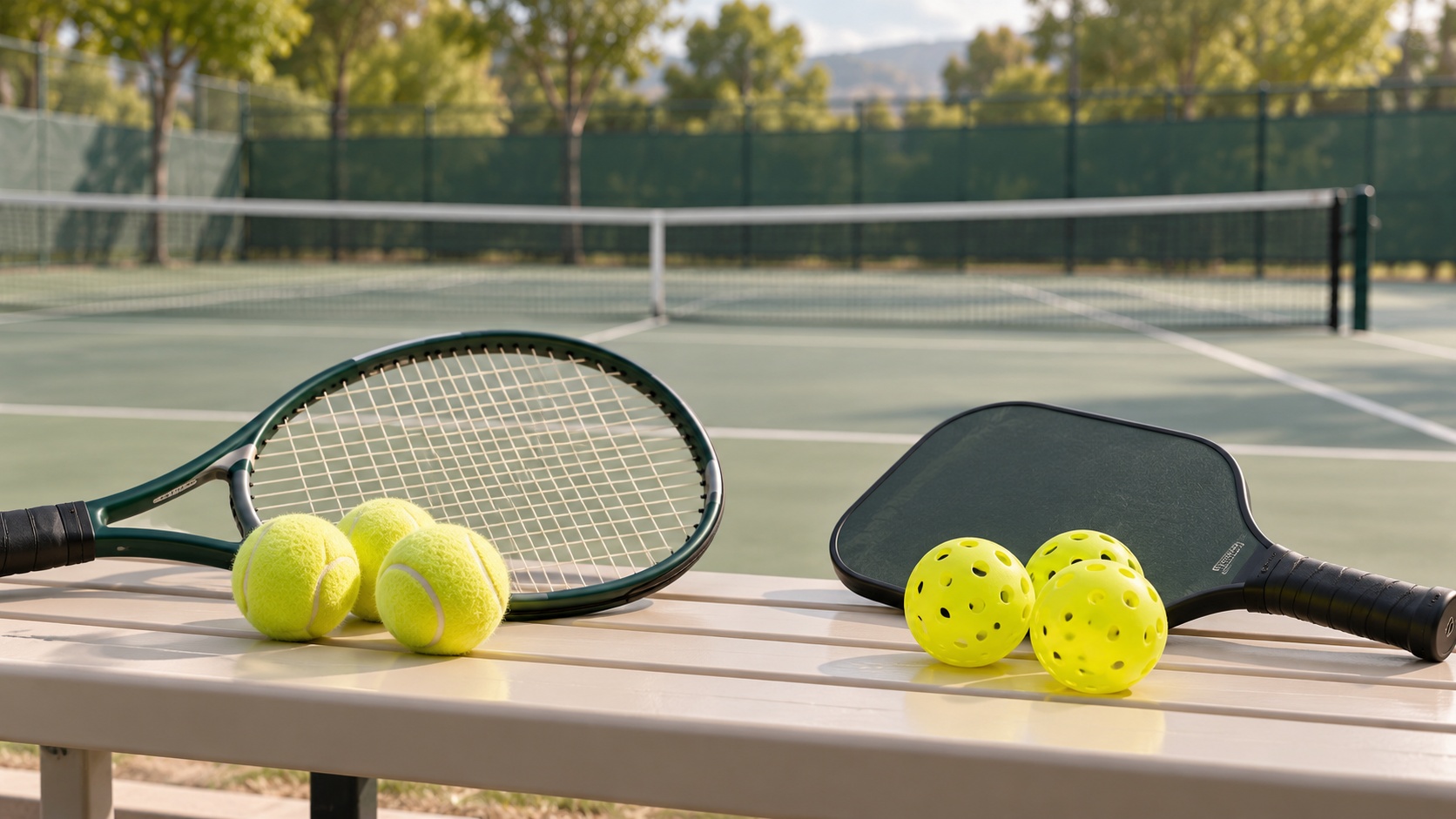
Illustrative comparison of tennis and pickleball equipment.
Be clear about the position
Coach Bell’s priority is tennis. He values its technical depth, movement demands, match discipline and long-term player development. From that perspective, the growth of pickleball should not push tennis players, teaching programs or young people out of the spaces they rely on.
Different games, different demands
Pickleball is a distinct sport, not simply a tennis drill. Its smaller court and different equipment create a different playing experience. Tennis training places particular emphasis on covering a larger court, developing a serve and sustaining stroke technique across varied situations. Which activity is more demanding depends on the level of play and the measure being used; Coach Bell’s coaching focus remains high-performance tennis.
A supplement is not a substitute
A tennis player may enjoy another racket or paddle activity, but that does not replace tennis-specific practice. If your goal is to improve your serve, footwork, court coverage or match patterns, your training needs to address those tennis skills directly.
Protect access through planning
Before converting a tennis court, facility leaders should consider existing lessons, junior development, league play and community access. Dedicated space, clear scheduling and input from the people using a facility can help avoid treating one group’s growth as a reason to displace another. The strongest case for tennis is to invest in its instruction, courts and future players.
A clear framework connects Coach Bell’s two professional worlds.
Illustrative workstation concept: preparation and structure carry into IT work.
Start by understanding the problem
In IT, replacing equipment before understanding the issue can waste effort. On court, hitting more balls without knowing the source of a problem can do the same. James’s systems mindset begins with assessment: what is happening, what outcome is wanted and what needs attention first?
Give the work a structure
A useful tennis session has an objective, a practice plan and feedback. An IT engagement needs a defined scope, agreed priorities and a plan for implementation. The settings differ, but both benefit from knowing what the work is meant to accomplish.
Review and adjust
One correction rarely answers every question. Observe what changes, check whether the adjustment helped and refine the approach. In coaching, that may mean simplifying a drill. In technology, it may mean checking a configuration before recommending a replacement. A framework should support judgment, not replace it.
Make the process understandable
James’s experience includes technical support, project leadership and mentoring. Clear explanations matter in each. A player should understand the purpose of a drill; a client should understand a recommendation and quote. Better systems help people participate in their own progress.